

Mastering IPC-A-610 Class 3 Workmanship at Vital Systems
In the world of electronics manufacturing, not all PCB assemblies are created equal. When lives, missions, or critical operations depend on flawless performance—think aerospace systems, medical devices, military hardware, or high-reliability industrial equipment—only the strictest workmanship standards will do. That’s where IPC-A-610 Class 3 comes in. At Vital Systems Corporation, founded in 1986 and based in Reno, Nevada, we don’t just meet this gold-standard specification; we build our entire process around it. With 40 years of experience serving the U.S. Department of Defense, Navy, Air Force, Lockheed Martin, Boeing, and Raytheon, we deliver the highest quality PCB assembly services designed for 20+ years of uninterrupted reliability.
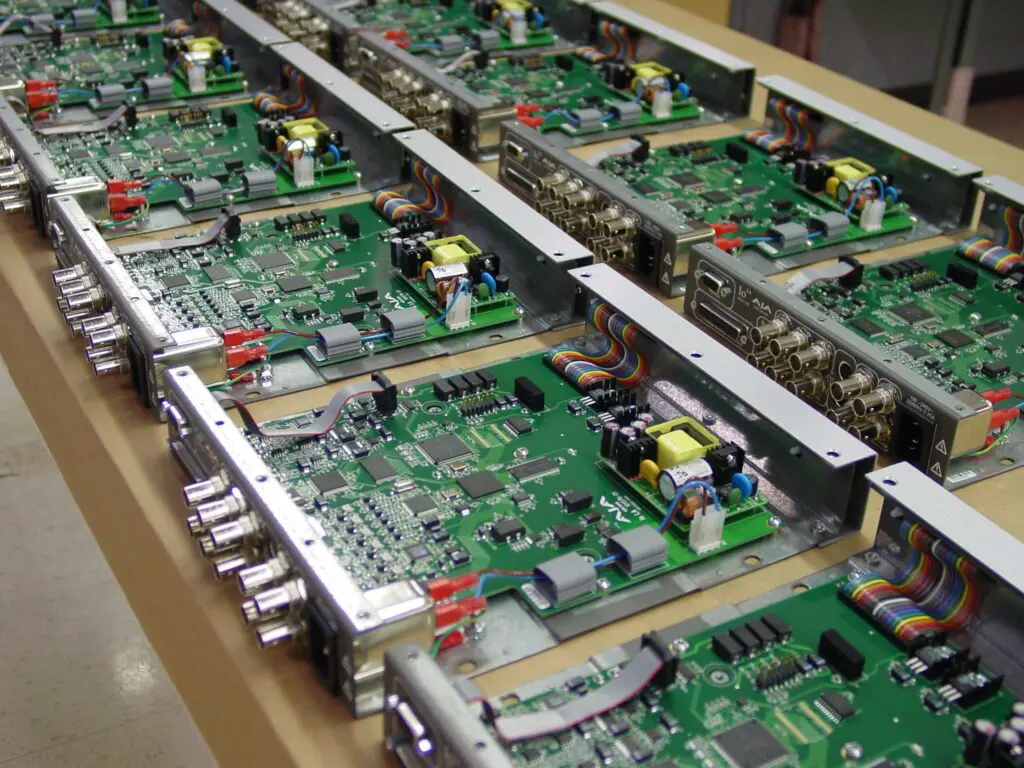
If you’re an OEM or engineer searching for a partner that treats every board like it could save a life or win a contract, this guide explains why IPC-A-610 Class 3 workmanship is the benchmark—and how Vital Systems consistently exceeds it.
What Is IPC-A-610 and Why Does It Matter for PCB Assembly?
IPC-A-610, titled “Acceptability of Electronic Assemblies,” is the globally recognized standard published by the Association Connecting Electronics Industries (IPC). It provides visual and measurable criteria for evaluating soldered connections, component placement, cleanliness, and overall workmanship in PCB assemblies (PCBA).
The standard divides products into three classes based on end-use reliability:
- Class 1 (General Electronics): For consumer products like toys or disposable gadgets where cost matters more than longevity. Cosmetic imperfections are acceptable as long as the board functions.
- Class 2 (Dedicated Service): For products needing extended life and reliable performance under normal conditions—think laptops, appliances, or industrial controls. Minor cosmetic issues are tolerated if they don’t affect function.
- Class 3 (High Performance / High Reliability): The highest level, reserved for mission-critical applications where failure is not an option. These assemblies must operate continuously in harsh environments, often under extreme temperature, vibration, shock, or humidity.
Class 3 demands the tightest tolerances, zero tolerance for defects that could lead to long-term failure, and exhaustive inspection. At Vital Systems, every assembly—whether a prototype or a 750,000-unit run of tiny 4x4mm boards for Sanmina Corporation—follows Class 3 criteria, even for non-defense customers.
Key Workmanship Criteria That Define IPC-A-610 Class 3
Class 3 isn’t just “better quality”—it’s a completely different mindset. Here’s what sets it apart:
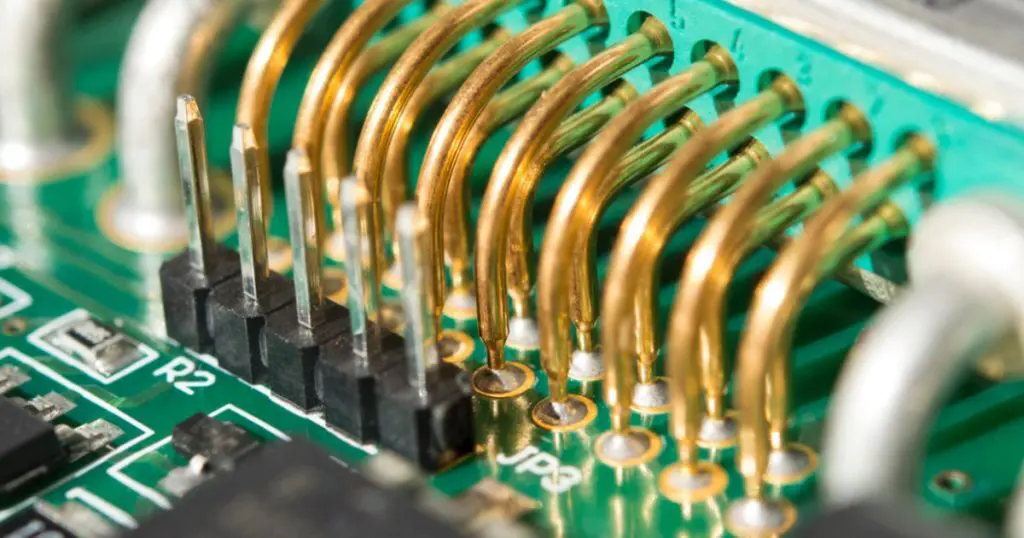
1. Solder Joint Integrity Class 3 requires near-perfect wetting, concave fillet geometry, and maximum structural support. For through-hole (PTH) components, minimum barrel fill is 75% (with stricter side fillet requirements than Class 2), and many joints demand 100% coverage on critical connections. Surface-mount (SMT) joints must show full pad coverage with no voids, cracks, or insufficient solder. Even minor issues like dewetting or excessive solder that could cause bridging are rejected.
2. Component Placement and Alignment Tolerances are razor-sharp. Chip components cannot overhang pads at all in many cases, and lead termination must meet exact criteria. Misalignment that might pass Class 2 inspection fails Class 3 outright.
3. Cleanliness and Contamination Control Ionic contamination levels are held to the lowest thresholds (often half of Class 2 limits). Residual flux, particulates, or debris that could cause corrosion or dendrite growth over years of service are unacceptable. Vital Systems’ processes include rigorous cleaning and verification to ensure boards remain pristine for decades.
4. Inspection and Process Control Class 3 assemblies undergo enhanced AOI, X-ray, and manual magnification inspection by IPC-certified operators. Traceability, statistical process control, and zero-defect philosophy are non-negotiable.
These criteria translate directly into lower field failure rates—often 30% or more reduction compared to lower classes—and superior performance under stress.
Why Choose Class 3 for Your Project? Real-World Applications
Industries where downtime equals disaster demand Class 3:
- Aerospace & Defense: Flight controls, radar systems, and satellite electronics that must survive launch vibration and extreme temperatures.
- Medical Devices: Life-support equipment, implants, and diagnostic tools where reliability can be a matter of life or death.
- Automotive Safety Systems: ADAS, EV battery management, and autonomous driving modules.
- Industrial & Energy: Harsh-environment controls for oil & gas, renewable energy, or heavy machinery.
At Vital Systems, we apply our defense-honed mindset across all projects. Our DOD certification since 1986 means we engineer for 20+ years of flawless operation—whether building prototypes or scaling to high-volume production.
How Vital Systems Delivers the Highest Quality PCB Assembly
We don’t claim Class 3 compliance; we live it. Our ISO9001:2015-certified facility in Reno, Nevada, combines decades of operator expertise with state-of-the-art equipment. Every technician is trained to IPC-A-610 standards, and our quality system includes 100% testing where required.
Customers consistently praise our results: clean boards, perfect solder joints, minimal defects, and rapid turnaround even on complex designs. One testimonial highlighted a prototype that arrived “impeccably assembled” with zero tombstoning or billboard defects—exactly what Class 3 demands.
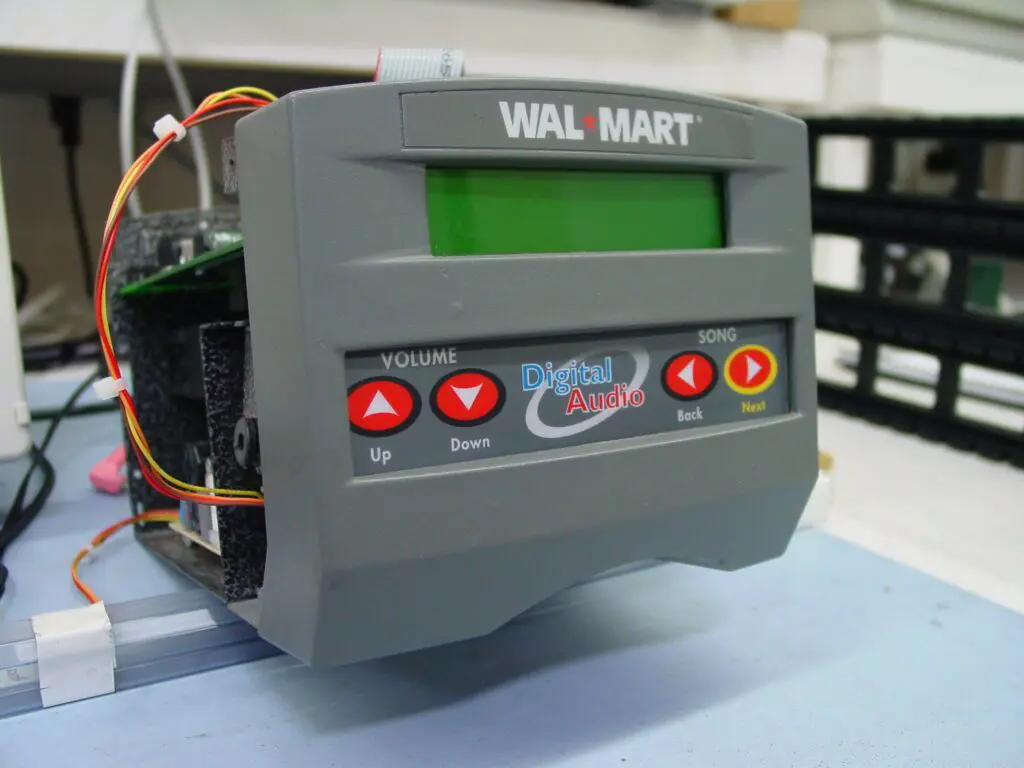
We handle everything from tiny micro-PCBs to large-format boards, through-hole, SMT, and mixed technology. Our “Vital Difference” comes from treating every assembly with the same rigor we apply to military contracts. That’s why clients return for decades.
Beyond the Standard: What Sets Vital Systems Apart
- U.S. Manufacturing: Full control, faster iteration, and protection of intellectual property.
- End-to-End Support: From engineering and design-for-manufacturability reviews to final integration and testing.
- Proven Track Record: 99% first-pass yields and long-term customer relationships with top defense primes.
- Scalability: Prototypes today, full production tomorrow—without compromising Class 3 standards.
When you partner with us, you’re not just getting boards; you’re getting peace of mind backed by 40 years of proven excellence.
Ready for the Highest Quality PCB Assembly?
In an industry where one bad solder joint can cascade into catastrophic failure, IPC-A-610 Class 3 isn’t optional—it’s essential. At Vital Systems, we’ve built our reputation on delivering exactly that level of workmanship, every single time.
Whether your next project is a life-saving medical device, a defense system, or a high-reliability industrial application, contact us today. Let’s discuss how our Class 3 PCB assembly services can bring your design to life with uncompromising quality.
Visit vitalsystems.com or reach out directly to experience the Vital Difference.